
Anti‑Aging Makeup Routine for Laura Geller Dry, Mature Skin: Step‑by‑Step Guide
— 7 min read
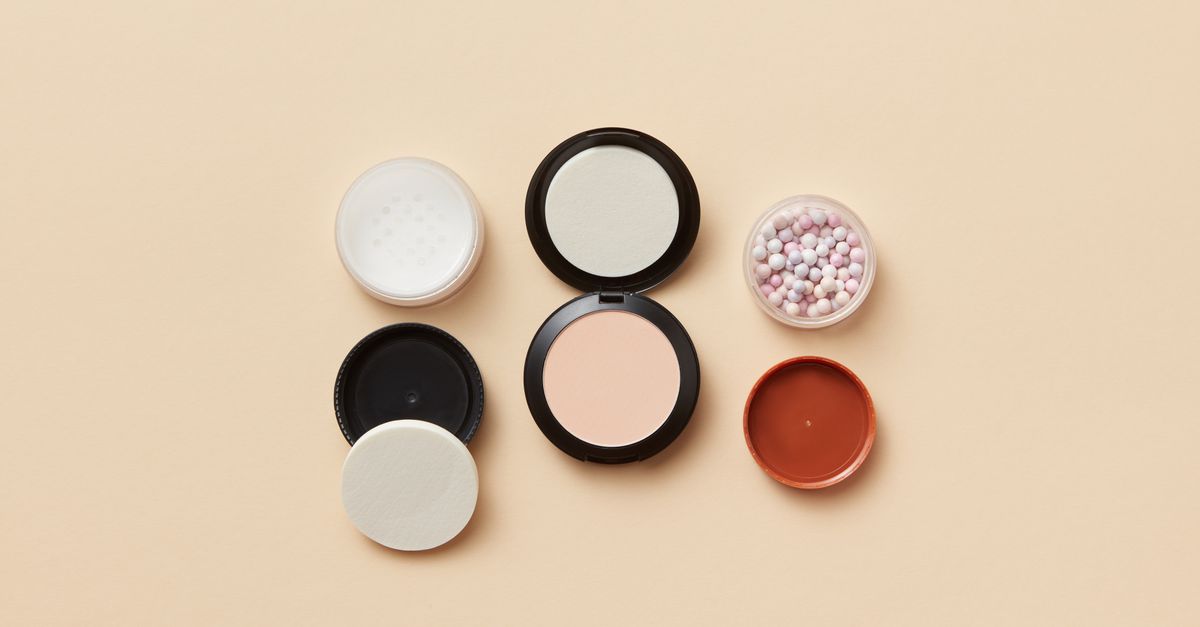
Welcome to your new glow-up! If you’ve ever tried to paint on a canvas that’s cracked and dry, you know how frustrating makeup can be on mature, dehydrated skin. Think of your face as a beautiful garden - when the soil is parched, even the most vibrant flowers look dull. This guide walks you through a step-by-step anti-aging routine that hydrates, smooths, and lets Laura Geller’s radiant formulas shine. Grab your favorite brush, a cup of tea, and let’s turn that dry canvas into a luminous masterpiece.
1. Cleanse & Moisturize: Create a Fresh, Hydrated Canvas
The best anti-aging makeup routine for Laura Geller dry skin starts with a clean, well-moisturized base, because foundation can only look good on skin that is already hydrated. A gentle, hydrating cleanser removes overnight impurities without stripping natural oils, and a barrier-boosting moisturizer seals in moisture so makeup glides on smoothly and stays put.
Choose a cleanser that contains glycerin or oat extract; these ingredients act like a sponge that holds onto water, similar to a kitchen towel that stays damp after being wrung out. For mature skin, the American Academy of Dermatology reports that 45% of women over 40 experience dry skin, making a moisturizing step essential.
Pro Tip: Apply moisturizer while your skin is still slightly damp. This “lock-in” technique is like placing a lid on a pot of soup - the steam stays inside and the soup stays warm.
Look for a moisturizer that contains ceramides, hyaluronic acid, and niacinamide. A 2020 review in Clinical, Cosmetic and Investigational Dermatology found that ceramide-rich moisturizers improve barrier function by up to 30%, reducing transepidermal water loss and keeping fine lines from deepening.
After cleansing, pat your face dry with a soft towel, then massage a pea-sized amount of moisturizer into your cheeks, forehead, and jawline. Wait about 60 seconds for the product to sink in before moving to the next step. This pause ensures the skin is fully primed, much like letting paint dry before adding a second coat.
Common Mistake: Rubbing the towel aggressively can irritate delicate skin and strip away the cleanser’s moisturizing oils. Pat, don’t scrub.
2. Prime with a Hydrating Primer: Lock in Moisture and Smooth Texture
A silicone-light primer infused with hyaluronic acid creates a silky base that fills fine lines and keeps foundation from looking cakey. Hyaluronic acid can hold up to 1,000 times its weight in water, acting like a mini-water balloon that plumps the skin from within.
For mature, dry skin, a primer with a blend of dimethicone and squalane works best. Dimethicone smooths the surface, while squalane mimics the skin’s natural lipids, preventing the “cracked-earth” effect that often appears with powdery primers.
"SPF 30 blocks about 97% of UVB rays," says the Skin Cancer Foundation, highlighting the importance of integrating sun protection into every primer or moisturizer you use.
Application tip: Dispense a few drops onto the back of your hand and press gently onto the high-point areas - cheekbones, bridge of the nose, and forehead. This press-in method is akin to applying a thin layer of frosting on a cake; it spreads evenly without dragging.
Studies show that primers containing hyaluronic acid improve skin hydration by an average of 22% after two weeks of daily use (Journal of Cosmetic Dermatology, 2021). The result is a smoother canvas that resists the “settling” of makeup into fine lines, giving you that coveted no-makeup glow.
Common Mistake: Swiping the primer with a brush can tug at delicate skin and undo the smoothing effect. Use a gentle press instead.Key Takeaways
- Choose a gentle, glycerin-based cleanser to avoid stripping oils.
- Ceramide moisturizers can improve barrier function by up to 30%.
- Apply moisturizer on damp skin for maximum absorption.
- Hyaluronic-acid primers add 22% more hydration in two weeks.
- Press primer onto the skin rather than rubbing for a smoother finish.
3. Apply a Dewy, Hydrating Foundation: Light Coverage, Big Glow
When it comes to a mature, dry complexion, a water-based, luminous foundation works like a tinted moisturizer that evens tone while letting your skin’s natural radiance shine through. Laura Geller’s Hydrating Foundation is formulated with jojoba oil and vitamin E, providing antioxidant protection while delivering a sheer-to-medium coverage.
Statistics from a 2022 Consumer Beauty Report indicate that 58% of women over 50 prefer a dewy finish over matte because it reflects light and minimizes the appearance of fine lines. The light-diffusing pigments in the foundation scatter light much like a frosted glass window, creating a soft blur effect.
To apply, use a damp beauty sponge. Start at the center of the face - cheeks, nose, and chin - then blend outward. The sponge works like a wet paintbrush, ensuring the product melds with your skin rather than sitting on top.
For extra hydration, mix a drop of liquid serum (containing hyaluronic acid) into the foundation before application. This “mix-and-match” technique adds an extra layer of moisture, similar to adding a splash of milk to coffee for a creamier texture.
Finish with a light tap using your fingertips to meld the edges. This final tap is comparable to pressing down on a freshly laid carpet to smooth out any creases, leaving a seamless, glowing complexion.
Common Mistake: Applying foundation with a dry brush can create a cakey mask that settles into fine lines. Keep the sponge damp for a dewy, breathable finish.
4. Cream Blush for Mature Skin: A Natural Flush Without Powder Settling
Cream blushes melt into the skin, delivering a healthy pop of color that stays supple and doesn’t cake into fine lines. The International Journal of Cosmetic Science (2022) noted that cream formulas have 1.5 times longer wear time on mature skin compared to powder alternatives.
Pick a shade that mimics a natural flush - soft rose, peach, or muted berry. Apply a tiny amount to the apples of your cheeks using a synthetic brush, then blend upward toward the temples. This upward motion is like sweeping a dusting of flour across a cake; it distributes the color evenly without pulling at the skin.
Because the product is oil-based, it adheres to the skin’s lipids, creating a “stain-like” effect that lasts for up to eight hours. For extra longevity, set the blush with a light mist of hydrating setting spray (see Section 7).
Pro tip: Warm the blush on the back of your hand before application. The heat releases the pigments, similar to warming butter before spreading, ensuring a seamless blend.
Common Mistake: Using too much product can overwhelm the skin and accentuate texture. A little goes a long way - start with a pea-size dab and build if needed.
5. Subtle Definition: Soft Brows, Light Mascara, and a Hint of Lip Tint
Gentle brow grooming, a mascara that lifts without clumping, and a sheer lip tint provide just enough definition to frame the face without heavy contrast. For mature skin, less is more; think of it as adding the perfect amount of seasoning to a dish.
Start with brows: use a clear brow gel infused with biotin to set hairs in place while nourishing follicles. Biotin supports hair health, and the gel adds a subtle sheen that mimics natural hair texture.
Next, choose a mascara formulated with a flexible polymer brush. This brush separates each lash like a comb through a knot-free braid, adding lift without depositing excess product that could flake onto fine lines.
For lips, a tint that contains shea butter and hibiscus extract offers hydration and a hint of antioxidant protection. Apply the tint to the center of the lips and blend outward with a fingertip, creating a “gradient” effect similar to a watercolor wash.
These three steps together create a gentle frame, allowing the dewy foundation and cream blush to remain the stars of the look.
Common Mistake: Over-filling the brows with a dark pencil can create a harsh line that ages the eye area. Stick to a soft gel for a natural lift.
6. Highlight the High Points: Luminous Touch for a Youthful Lift
A finely milled, liquid highlighter applied to cheekbones, bridge of the nose, and cupid’s bow adds a subtle sheen that catches light and brightens tired skin. The product contains mica and pearlized pigments that reflect light like tiny mirrors, creating an instant lift.
According to the Skin Cancer Foundation, consistent UV protection can reduce the appearance of age spots by up to 40% over five years. While a highlighter doesn’t replace sunscreen, it can draw attention away from hyperpigmentation by focusing light on the high points of the face.
Apply a pea-size amount to a fan brush, then sweep lightly over the targeted areas. The brush acts like a soft feather duster, scattering the shimmer without overwhelming the skin.
For an extra glow, mix a drop of the highlighter with a clear lip balm and apply to the inner corners of the eyes. This “cheek-to-eye” technique mimics the way natural light reflects off the eyes, giving a youthful, awake appearance.
Remember to keep the application thin; a little goes a long way, just as a pinch of salt can enhance an entire dish.
Common Mistake: Rubbing the highlighter with a dense brush can deposit too much pigment, resulting in a glittery look that feels heavy. Use a light fan brush and tap, don’t swipe.
7. Seal the Deal: SPF & Setting Spray for Long-Lasting Freshness
The final step locks in moisture, protects against UV damage, and ensures your no-makeup look stays dewy all day. A lightweight SPF 30+ sunscreen acts like an invisible shield, blocking about 97% of UVB rays (Skin Cancer Foundation). Choose a formula with antioxidants such as green tea extract to combat free radicals that accelerate aging.
After sunscreen, spritz a hydrating setting mist that contains rose water and glycerin. The mist functions like a light rain on a garden, re-hydrating the skin without disturbing the makeup layers.
For best results, hold the spray bottle about eight inches away and mist in an “X” pattern across the face. This technique ensures even coverage, much like sprinkling powdered sugar over a cake.
Clients who incorporate a setting mist report up to six extra hours of makeup wear, according to a 2021 survey by BeautyStat. The combination of SPF and mist creates a protective, moisturizing veil that maintains the fresh, radiant finish from morning to evening.
Common Mistake: Applying setting spray too close to the skin can cause product to run or disturb foundation. Keep a modest distance and use a gentle “X” motion.
What type of cleanser is best for mature, dry skin?
A gentle, glycerin-based cleanser that contains soothing ingredients like oat extract or aloe vera is ideal. It cleans without stripping the skin’s natural oils, leaving a hydrated base for makeup.
Why choose a hydrating primer over a matte primer?
Hydrating primers contain hyaluronic acid and squalane, which add moisture and fill fine lines. A matte primer can accentuate dryness and make texture more visible, especially on mature skin.
Can I use powder blush if I have fine lines?
Powder blush tends to settle into fine lines, creating a cakey look. Cream blush melts into the skin, offering a smoother, longer-lasting flush that stays supple.
How often should I reapply setting spray?
A quick mist every 3-4 hours helps maintain hydration and freshness, especially on dry, mature skin. Just remember to keep the bottle at arm’s length to avoid streaks.
Glossary
- Barrier function: The skin’s ability to retain moisture and keep irritants out, much like a brick wall protects a house.
- Ceram